

What Is a PEM Electrolyzer?
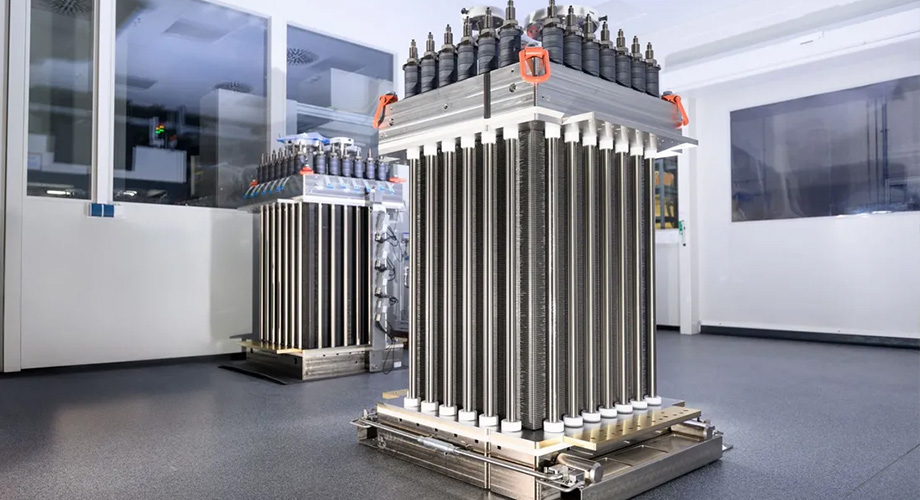
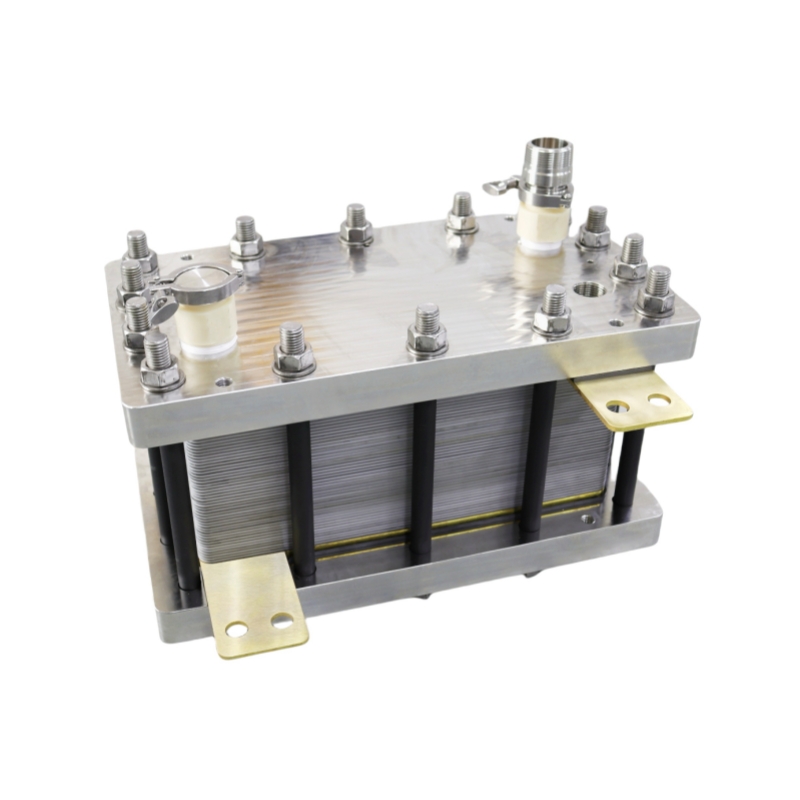
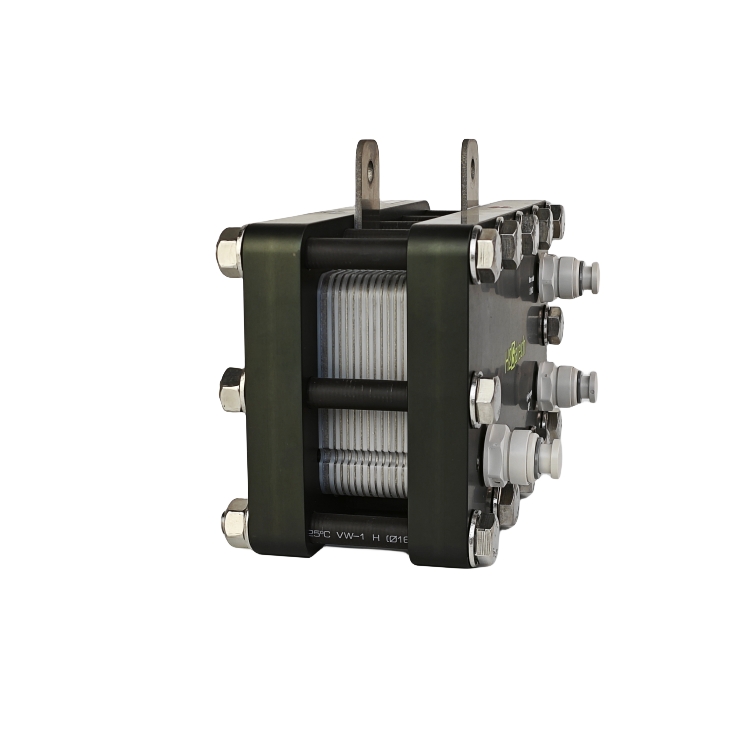
A PEM (Proton Exchange Membrane) electrolyzer is an advanced electrochemical system that produces hydrogen by splitting water into hydrogen and oxygen using electrical energy. It utilizes a solid proton exchange membrane as the electrolyte, enabling efficient ion transport, fast response, and high-purity hydrogen generation.
A PEM electrolyzer typically consists of membrane electrode assemblies (MEAs), bipolar plates, current collectors, and balance-of-plant components. As a core technology for green hydrogen production, PEM electrolyzers are especially well suited for integration with renewable energy sources such as solar and wind power.
Key Features of PEM Electrolyzers
High-Purity Hydrogen Production
PEM electrolyzers produce high-purity hydrogen directly, often without the need for additional purification steps.
Fast Dynamic Response
The solid polymer electrolyte allows rapid start-up and load-following capability, making PEM electrolyzers ideal for fluctuating renewable energy inputs.
High Current Density & Compact Design
PEM technology supports high current density operation, enabling compact system design with high hydrogen output per unit area.
Zero-Emission Hydrogen Generation
When powered by renewable electricity, PEM electrolyzers enable truly green hydrogen production, emitting only oxygen as a byproduct.
Scalable & Modular Architecture
PEM electrolyzer systems can be scaled by stacking multiple cells, allowing flexible hydrogen production capacity for different applications.
How Does a PEM Electrolyzer Work?
Within a PEM electrolyzer, water electrolysis occurs through the following steps:
Anode (Oxygen Evolution Reaction)
Water is supplied to the anode, where it is electrochemically split into oxygen, protons, and electrons.
Proton Exchange Membrane
Protons migrate through the proton exchange membrane to the cathode, while the membrane blocks electrons and separates the gases.
External Circuit
Electrons flow through an external circuit, providing electrical balance before reaching the cathode.
Cathode (Hydrogen Evolution Reaction)
At the cathode, protons combine with electrons to form hydrogen gas, which is collected as the final product.
Applications of PEM Electrolyzers
PEM electrolyzers are widely used in hydrogen energy and industrial applications:
Green Hydrogen Production
Renewable energy–powered hydrogen generation
Power-to-gas and energy storage systems
Industrial Hydrogen Supply
Electronics, semiconductor, and chemical industries
Laboratories and research facilities
Hydrogen Refueling Infrastructure
On-site hydrogen production for fueling stations
Mobility applications including fuel cell vehicles
Research & Demonstration
Universities and R&D institutions
Pilot projects and system validation platforms
How to Select a PEM Electrolyzer?
Selecting the right PEM electrolyzer depends on system requirements and operating conditions:
Hydrogen Production Capacity
Target hydrogen output rate and operating current density.
Operating Conditions
Operating temperature, pressure, and water purity requirements.
MEA & Stack Design
Membrane type, catalyst loading (Ir-based anode, Pt-based cathode), and active area configuration.
System Integration
Compatibility with renewable power sources and balance-of-plant components.
Durability & Lifetime
Long-term stability under continuous or dynamic operating conditions.
PEM Electrolyzer Manufacturer
H2Gatch is a professional hydrogen energy manufacturer specializing in PEM electrolyzers, Membrane Electrode Assemblies (MEA), hydrogen fuel cell stacks, and related electrochemical components.
With strong expertise in MEA fabrication and stack integration, H2Gatch provides PEM electrolyzer solutions for green hydrogen production, industrial supply, and research applications.
If you are looking for reliable PEM electrolyzer systems or customized hydrogen solutions, feel free to contact us.