

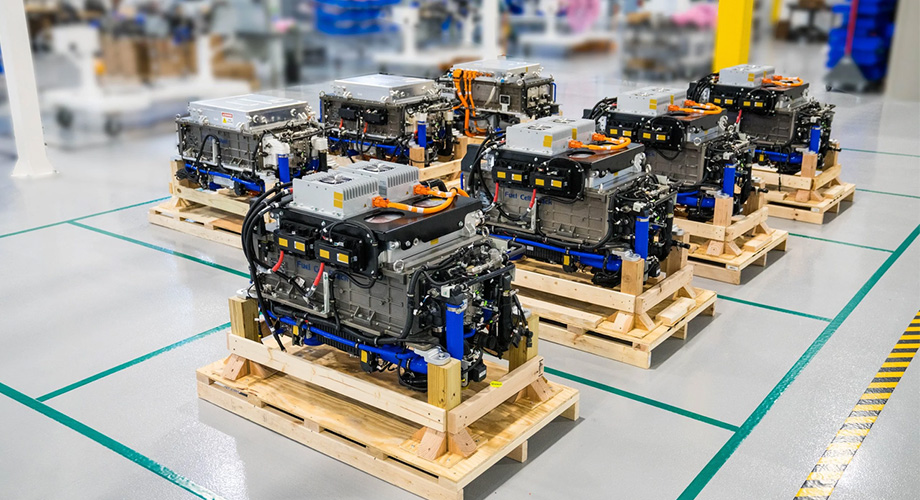
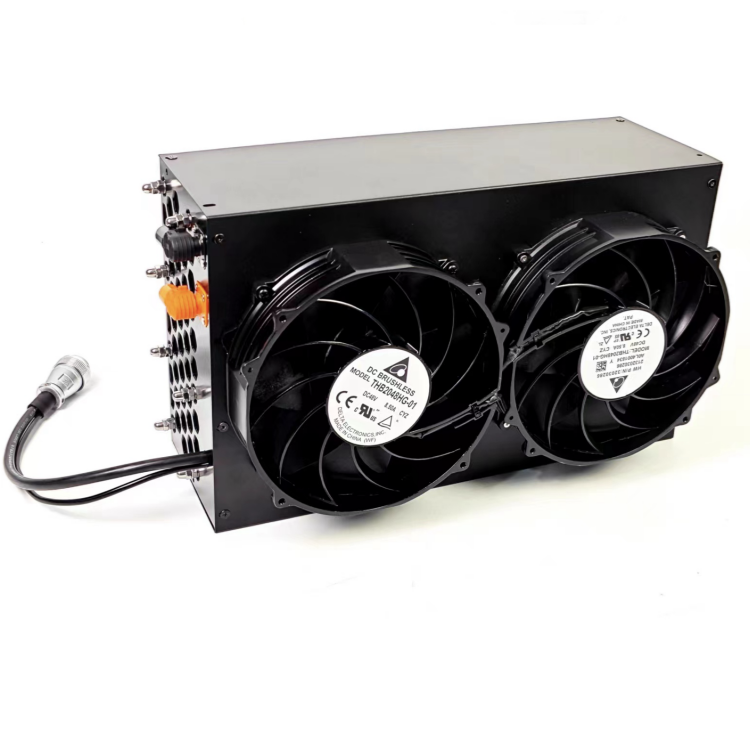
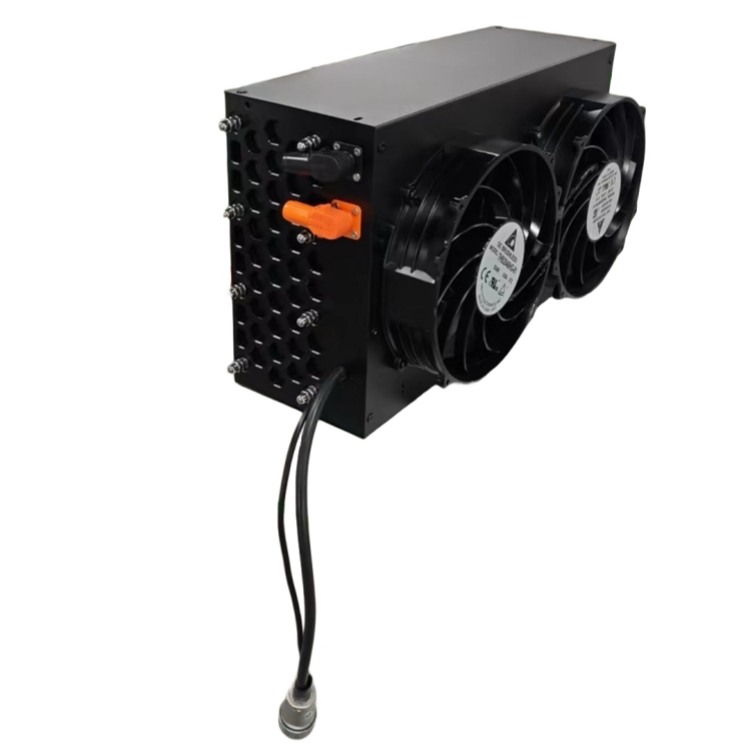
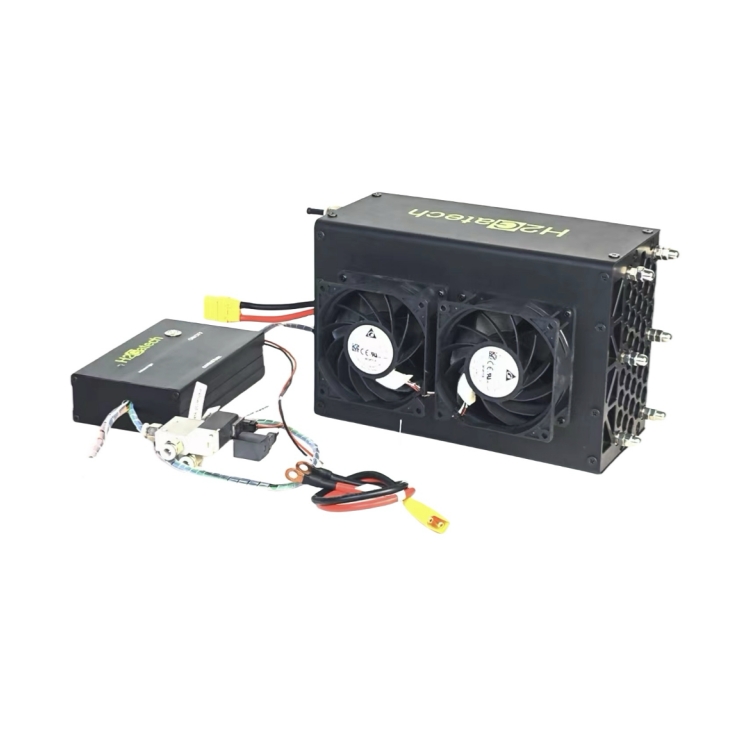
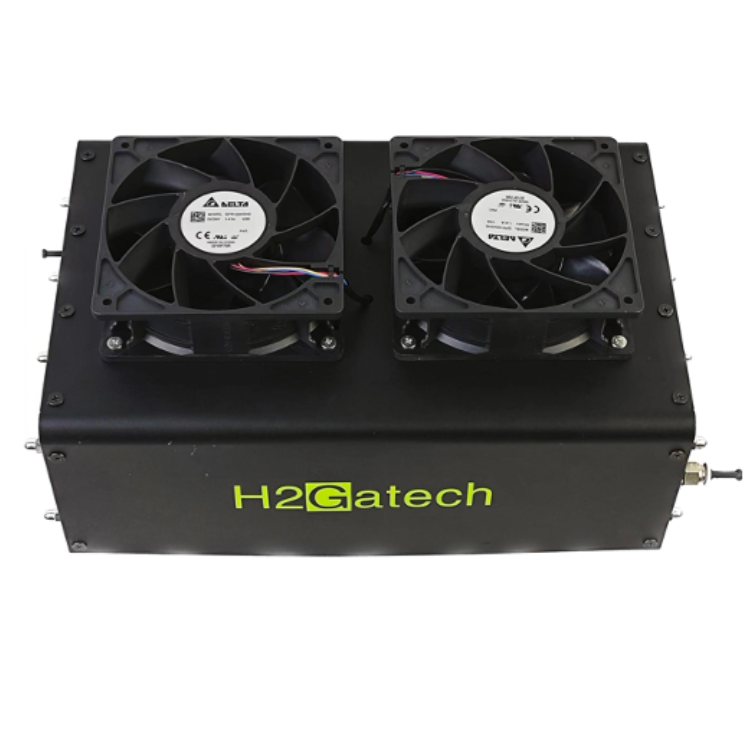
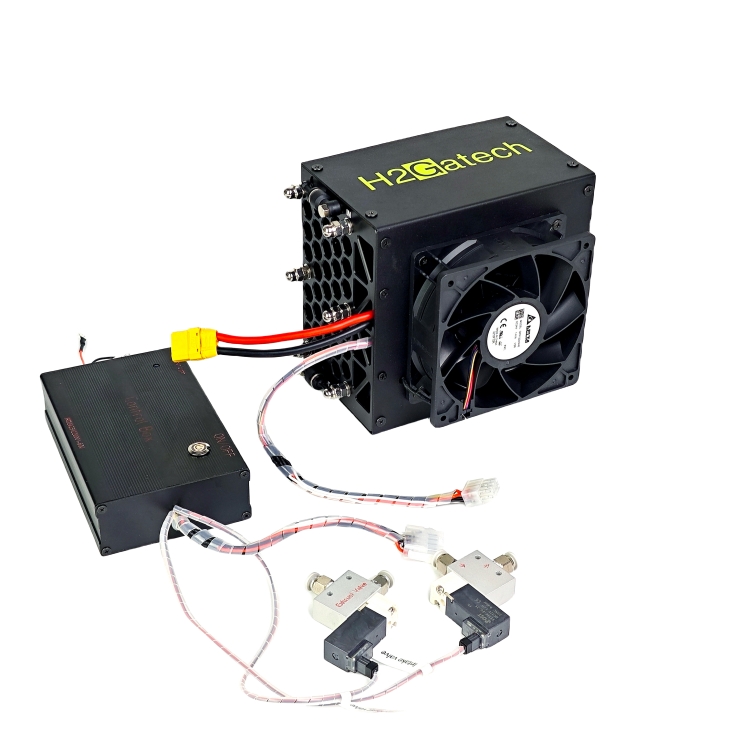
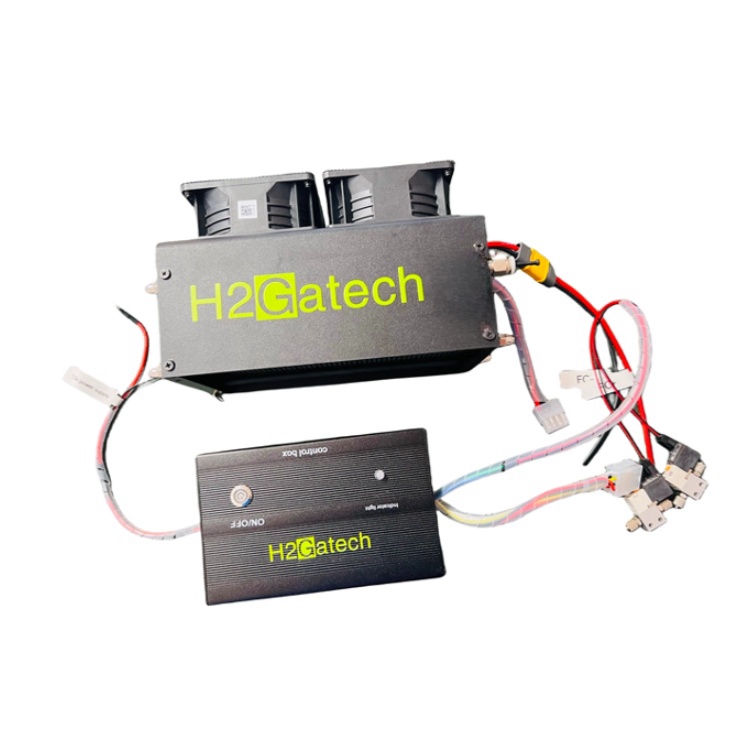
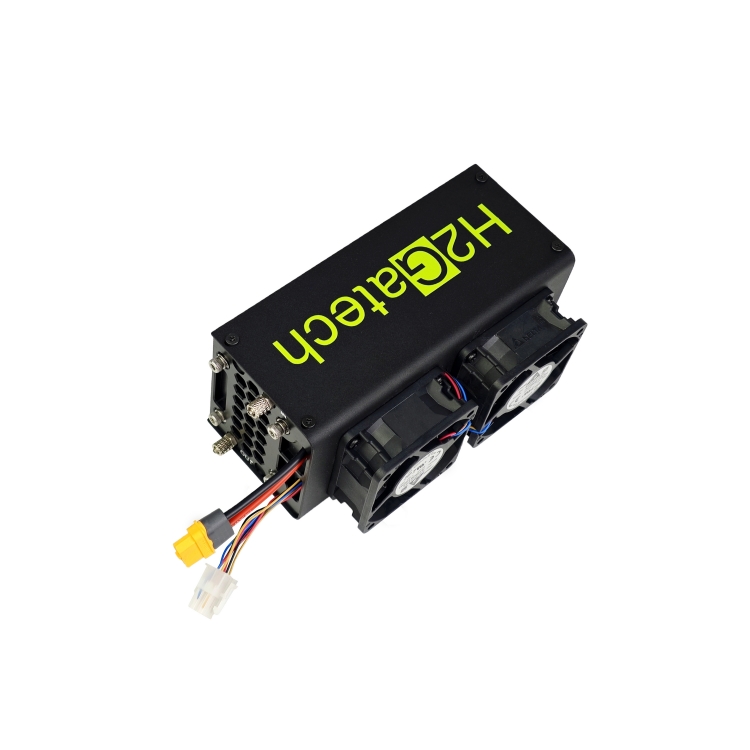
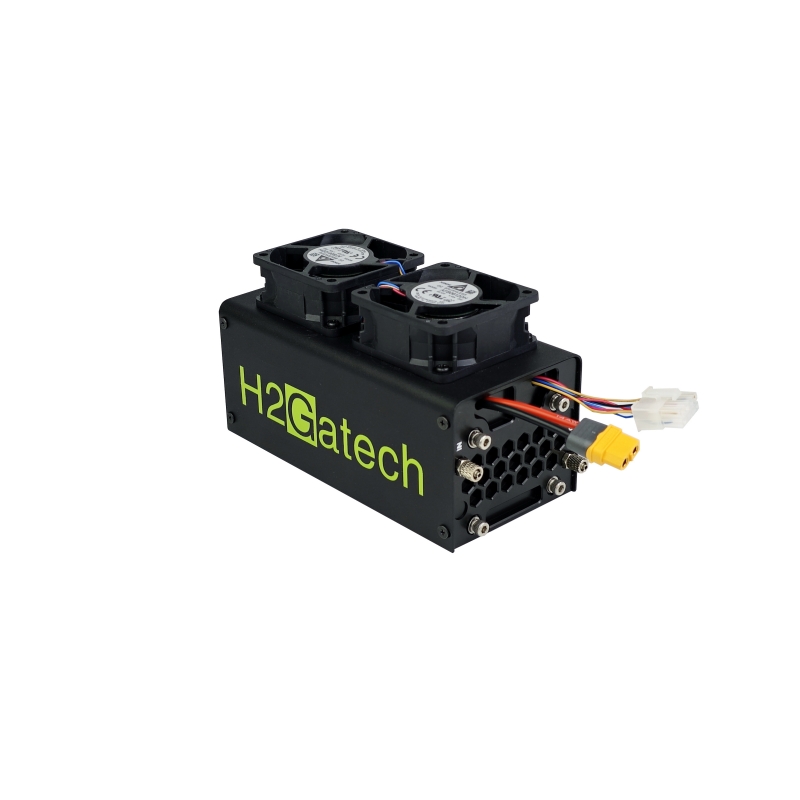
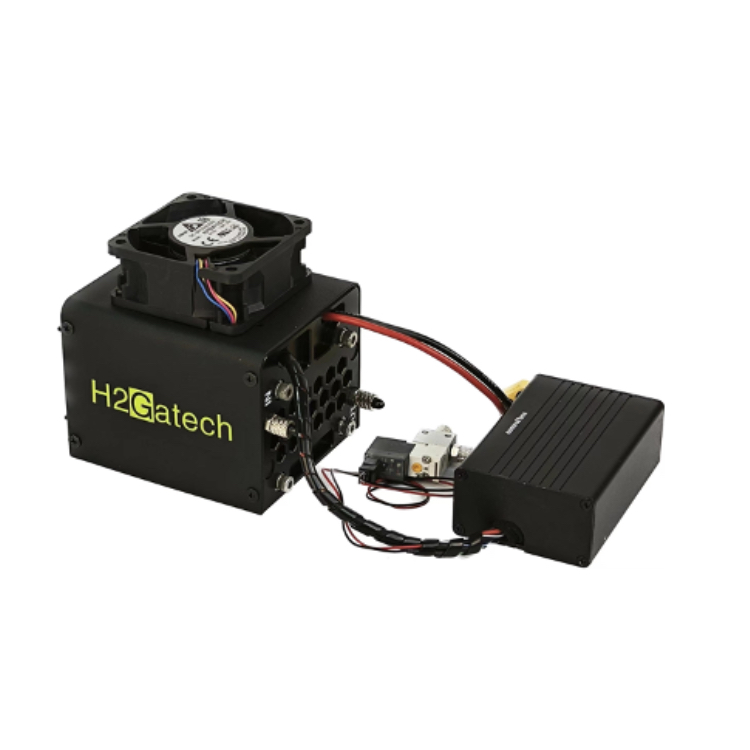
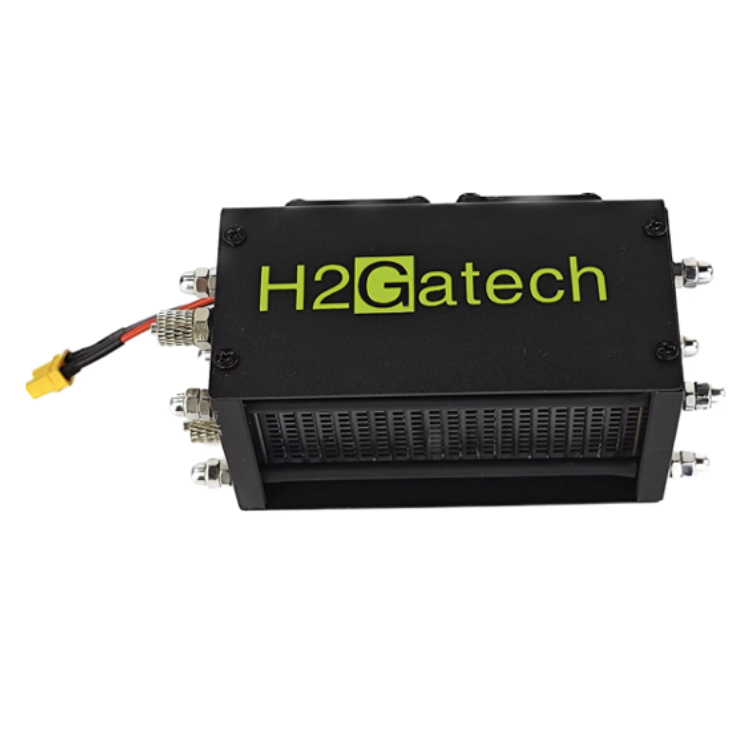
What is Fuel Stack?
A fuel cell stack works by converting the chemical potential energy of hydrogen and oxygen into electrical power through an electrochemical process, producing only water and heat as byproducts. A single cell produces less than 1 V, so multiple cells are "stacked" in series to achieve a higher, more usable voltage and power output.
Features of Fuel Cell Stacks
Electrochemical Conversion: Unlike combustion engines, fuel cells generate electricity without burning fuel.
Zero Emissions at Point of Use: The only byproducts of the reaction between pure hydrogen and oxygen are water vapor and heat, meaning no pollutants like nitrogen oxides or particulate matter are emitted.
High Efficiency: Fuel cells are typically 40% to 60% energy efficient, significantly higher than the approximately 25% efficiency of typical internal combustion engines.
Scalability: The modular design allows for power output to be adjusted by adding or removing individual cells within the stack, suiting various power requirements.
How Does a Fuel Stack Work?
The process involves several key steps within each cell of the stack:
Anode: Hydrogen gas is fed into the anode, where a catalyst separates the hydrogen molecules into protons and electrons.
Electrolyte: The positively charged protons pass through the electrolyte membrane to the cathode side, while the membrane blocks the electrons.
External Circuit: The electrons are forced to flow through an external electrical circuit to reach the cathode, creating an electrical current that can power devices.
Cathode: At the cathode, the electrons, protons, and oxygen from the air recombine to form water, which exits the system as a byproduct.
Applications of Hydrogen Fuel Stacks
Hydrogen fuel cells are versatile and used in numerous applications:
Transportation: Powering cars, buses, trucks, forklifts, trains, and drones, contributing to zero-emission mobility.
Stationary Power: Providing primary or backup power for homes, commercial buildings, data centers, and hospitals.
Portable Power: Used in electronics and remote area power supply.
Specialized Environments: Used in spacecraft and underwater applications where reliability and clean byproducts (water for crew) are critical.
How to Select Fuel Cell Stacks?
Selecting a fuel cell stack depends heavily on the specific needs of the application:
Power Output: Determine the required power to ensure the stack meets energy demands.
Efficiency and Durability: Choose stacks with high efficiency for lower operational costs and robust designs for continuous, long-term use.
Operating Conditions: Consider the optimal temperature and pressure range required for the chosen fuel cell technology (e.g., PEM vs. SOFC).
Size and Weight: For mobile or portable applications, physical size and weight are crucial factors.
Cost and Integration: Evaluate the overall cost, including components and ease of integration into an existing system.
Price of Fuel Cell Stacks
The price of fuel cell stacks varies widely depending on their power output, type, and application.
Smaller educational or low-power stacks may range from around $220 USD to $900 USD.
Larger, higher-power stacks for industrial or commercial use can cost anywhere from $5,000 USD to over $50,000 USD, or potentially higher for specialized systems.
If you want to know the latest price of hydrogen fuel cell stacks, feel free to contact us.
Hydrogen Fuel Cell Stacks Manufacturer
H2Gatch is a professional hydrogen fuel cell manufacturer dedicated to the Hydrogen Fuel Cell membrane electrode (MEA), hydrogen fuel cell stack system, and other related equipment. If you are looking for hydrogen fuel stacks in bulk, feel free to contact us.